
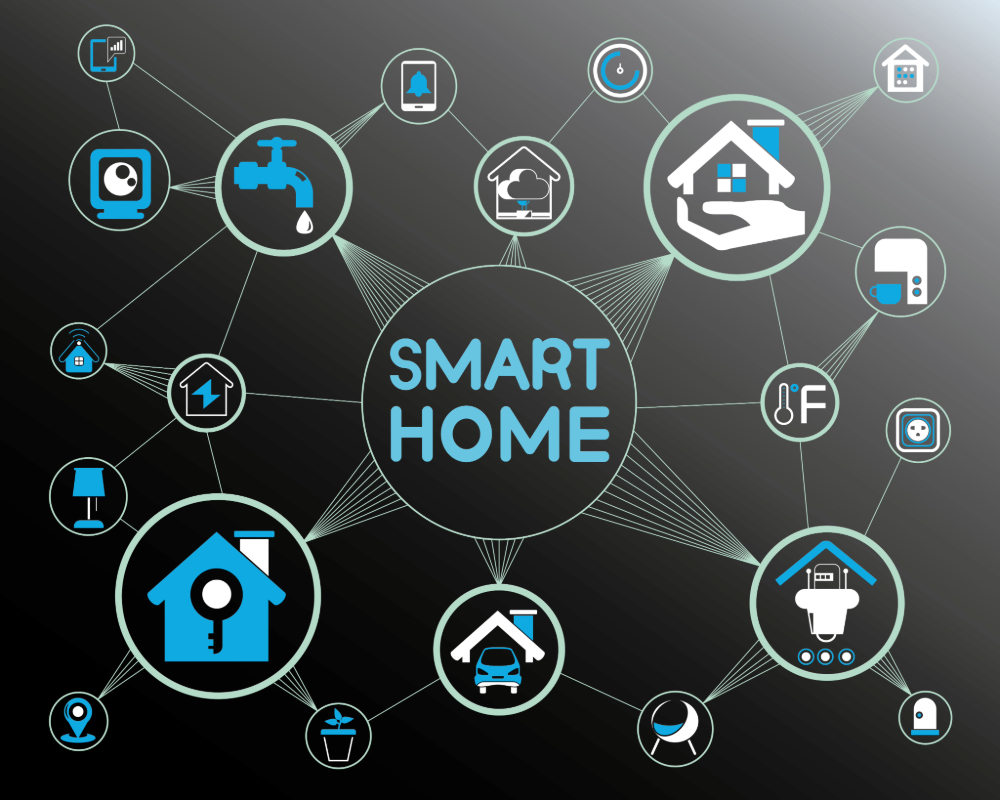
Smart technology has changed the way we live. Just a decade ago, the idea of controlling your entire home from a smartphone or voice assistant felt futuristic.
Smart home automation has become a natural part of daily life, from adjusting the thermostat before you get home to checking security cameras while on vacation.
So, how should you choose a home automation system? The answer is not as simple as picking the newest gadget. The actual value comes from selecting a system that fits your lifestyle, integrates easily, and grows with your needs.
Opting for a suitable home automation setup is about convenience and building a connected environment that improves comfort and reduces wasted energy. The decision shapes how you interact with your home for years to come, which makes it worth taking the time to explore options in detail.
How Should You Choose a Home Automation System?
Before comparing platforms or devices, consider what you want automation to achieve. Some homeowners wish to have greater peace of mind through advanced security cameras, sensors, and alerts. Others see value in lowering energy bills by using smart thermostats and automated lighting schedules.
Many people aim to create a home entertainment experience that combines theater-quality sound, distributed video, and voice control.
Once you identify your priorities, the choices become easier to evaluate. The industry offers many paths, from professionally installed, whole-home platforms to smaller DIY solutions. The ideal option will always depend on your goals, your budget, and how much you want the system to grow in the future.
The Expanding Role of Smart Home Automation
Comfort and Energy Efficiency
Smart home automation has moved far beyond novelty. It now represents a practical tool for comfort, efficiency, and security. Lighting that adapts to your daily routine and thermostats that learn your habits create a home that feels responsive to your lifestyle.
Blinds that lower automatically to protect your interiors from direct sunlight add another layer of comfort and convenience. This technology saves energy while giving you more control over your environment.
Security and Peace of Mind
Security also plays a larger role than ever. Motion detectors, video cameras, and window sensors create layers of protection that you can monitor from anywhere.
Early versions of motion sensors triggered false alarms because they relied on sound waves. However, today’s infrared detectors can distinguish between a pet and a human intruder.
Cameras can stream high-definition video to mobile devices, giving you a live look at your property, whether you are across town or traveling abroad. Smart locks and remote monitoring also bring that extra peace of mind that traditional security systems cannot match.
Entertainment and Lifestyle Integration
Entertainment remains another driver of adoption. Distributed audio and video let you watch or listen anywhere in your home without juggling multiple remotes or wires.
Interactive touch panels or mobile apps put your home at your fingertips, making it easy to adjust sound, lighting, and temperature instantly. This integration of lifestyle and technology represents the true luxury of modern living for many.
Types of Home Automation Systems
When deciding how to move forward, you will encounter different types of systems. Wired automation connects devices physically through cables installed in the walls. This option delivers unmatched reliability and speed, making it perfect for new construction or major renovations.
Wireless systems use radio signals to connect devices, offering flexibility and easier retrofitting in existing homes. A hybrid system blends both, providing a scalable solution that can adapt over time.
Voice-enabled devices such as Amazon Echo or Google Home bring convenience through spoken commands. While these smart speakers add fun and simplicity to daily life, they are most effective when used as part of a larger system.
Relying on them as the leading platform can limit how well devices interact. Pairing voice control with a robust automation hub helps every device communicate smoothly and deliver a more complete smart home experience.
Compatibility and Integration Across Devices
Compatibility remains one of the most important considerations. Many homeowners make the mistake of buying devices individually without checking if they integrate well together. This often leads to frustration when certain components cannot communicate.
A closed ecosystem may restrict you to one brand, while an open ecosystem gives you the freedom to expand with products from multiple manufacturers.
Integration not only creates harmony among devices but also allows you to scale over time. Today, you might choose to prioritize lighting as the first step in your smart home setup. In a few years, you may want to expand by adding outdoor speakers or upgrading to advanced options like 8K video distribution. Choosing a system designed for scalability prevents the need to start over when your needs change.
Balancing Costs and Long-Term Value
Cost should never be the only deciding factor. Still, it does influence the choices you make. A DIY package from a big-box retailer may look appealing at first, but it rarely offers the depth or reliability of a professionally installed system.
Professional setups may cost more upfront but deliver real savings through better energy management, fewer breakdowns, and long-term performance.
You should also consider hidden expenses. Subscription services for cloud storage, software updates, or monitoring can add up. A thoughtful budget weighs both immediate costs and ongoing commitments. Investing wisely at the start often prevents frustration and additional expenses later.
Security and Privacy Considerations
As your home becomes smarter, protecting it becomes more complex. Strong encryption and secure mobile access must be non-negotiable. Multi-factor authentication provides an additional safeguard against breaches. Systems should protect your home physically and also defend your personal data from unauthorized access.
Cameras with encrypted streams, door and window sensors that report instantly to your phone, and locks that respond only to authorized users create a more secure environment. Security now includes safeguarding digital access to your home. A platform with strong built-in protections delivers confidence that your connected environment works for you, not against you.
User Experience Shapes Daily Living
Technology should feel invisible. A well-designed automation system works quietly in the background and responds effortlessly when you need it. Touchscreen panels provide at-a-glance information and easy control. Mobile apps extend that control to wherever you are. Voice control adds another layer of convenience, letting you adjust your environment hands-free.
Accessibility features matter as well. Voice commands can make a dramatic difference for households where mobility or vision challenges exist. Customizable apps allow every member of the household to interact in the way that feels most natural. When technology feels intuitive, adoption is easy, and the system becomes part of daily life rather than another chore.
Professional Installation Vs. DIY
The decision between professional installation and DIY often comes down to complexity. A basic system with a few smart bulbs and a thermostat may be manageable for a handy homeowner.
A system that integrates lighting, audio, video, security, and networking requires professional knowledge. Professional installers understand how to program devices, eliminate interference, and calibrate audio or video systems for peak performance.
DIY installation can appeal to those who enjoy working on home projects. However, it often falls short in terms of reliability and polish.
Professional services save time and offer support in case of any issues. Many households value the peace of mind that comes from a system designed and installed by trusted experts. These professionals understand both the technology and the unique needs of the home, which makes the setup more reliable and tailored.
How a Home Automation Company Brings It All Together
Working with an experienced home automation company changes the process entirely. Instead of trying to piece together individual products, you receive a unified design that addresses your goals from the start.
Professionals handle everything from wiring and networking to programming and long-term maintenance. They also stay current with industry standards and certifications, offering access to premium brands and cutting-edge technology.
The real difference comes from continuity. When one team designs, installs, and supports your system, you eliminate the headaches that come with subcontractors or piecemeal solutions. You also gain a single point of contact who understands your home and can make updates as technology progresses.
A Smarter Path Toward Luxury Living
At Pure AV Luxury Home Automation, we specialize in smart home automation solutions that transform houses into fully connected environments. We integrate lighting, climate, media, and security into one platform according to your lifestyle. We also deliver luxury home audio/video solutions that bring cinematic sound and crystal-clear visuals into your living spaces.
From the design phase to installation and ongoing service, our own team handles the entire process. As a Savant Ambassador and KEF Gold Dealer, we work only with the industry’s finest technologies.
When choosing a home automation system, the key is selecting a partner who combines expertise, accountability, and a genuine care for your home. With a great partner, automation can be the foundation of modern luxury living. To begin your journey toward a connected, luxury smart home, contact us for a personalized consultation.
Leave a Reply