
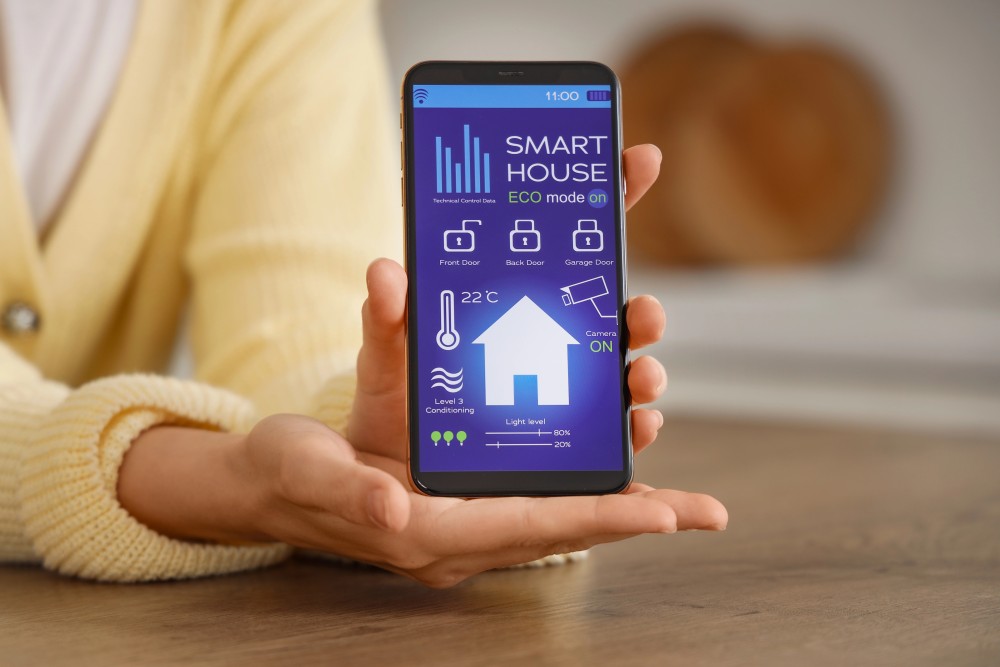
The idea of a smart home system has been around for a few decades, but it has gained widespread attention only in recent years due to advancements in technology. These systems provide homeowners with complete control over various aspects of their homes, from security to energy management, through a unified platform. With the integration of smart home control systems, tasks that once required multiple remote controls or manual adjustments are now streamlined and simplified.
As more people embrace the conveniences of smart home automation solutions, it’s important to weigh the benefits and potential drawbacks before deciding to upgrade your home. This blog post will explore the pros and cons of installing a smart home system and help you determine if it’s the right choice for your home.
What is a Smart Home System?
At its core, a smart home system connects various devices within your home to the internet, enabling them to be controlled remotely. This means that if you’re at home or away, you can control your lighting, climate, security systems, and even appliances using your smartphone or tablet. The central idea behind a smart home system is to offer homeowners an integrated and efficient way to manage all aspects of their home life from one point of control.
A smart home system works by utilizing a combination of hardware and software to automate tasks. This means you no longer need to manually adjust your thermostat or lights. Instead, your home automatically adapts to your needs. For example, smart thermostats take in information about your habits and adjust the temperature based on when you’re home or when you’re away. This automation leads to energy savings, increased comfort, and a greater sense of control over your environment.
How Do Smart Home Control Systems Work?
The heart of any smart home system is its control system, which integrates and manages various devices in the home. These control systems can be accessed via smartphones, tablets, or even smart speakers. The devices in your home are connected through a centralized system that communicates wirelessly, typically using Wi-Fi, Zigbee, or Z-Wave technology.
Once connected, each device can be monitored and controlled remotely. For example, you can turn off the lights in the kitchen from the comfort of your living room, or adjust your thermostat while you’re at work to ensure your home is the perfect temperature when you arrive. This level of control is the key benefit of smart home systems.
Smart home control systems also enable automation. With a properly configured system, tasks like adjusting the lighting based on time of day or turning off appliances when they’re not needed can be scheduled automatically. This reduces energy usage and ensures that your home is always operating efficiently. These systems can even detect unusual activity in the home, alerting you to potential security threats and giving you peace of mind.
Key Features of a Smart Home System
- Lighting Control: One of the most popular features of a smart home system is the ability to control your home’s lighting remotely. You can turn lights on and off, dim them, or even change their color—all from your phone or tablet. Many systems also allow you to set schedules for when lights should turn on or off, and some even use motion sensors to automatically adjust the lighting when someone enters or leaves a room.
- Climate Control: Smart thermostats have revolutionized home heating and cooling. These devices can learn your temperature preferences and adjust themselves accordingly, ensuring your home is comfortable when you need it and energy-efficient when you don’t. Many systems allow you to control the temperature remotely, so you can adjust it while you’re away or on your way home.
- Home Security: Smart home control systems offer enhanced security features, including cameras, doorbell cameras, and motion detectors. These systems allow homeowners to monitor their property remotely, receive alerts if unusual activity is detected, and even communicate with visitors or delivery personnel via video calls. In addition, some systems can be integrated with smart locks, allowing you to remotely lock or unlock doors from anywhere.
- Entertainment Systems: With a smart home system, you can control your entertainment system, including TVs, speakers, and streaming devices, all from a central hub. Whether you want to play music in every room or watch a movie in the home theater, smart home systems make it easier than ever to manage your entertainment setup.
- Automated Blinds and Window Treatments: Smart window treatments can automatically adjust to provide the right amount of light and privacy throughout the day. Whether you want them to open at sunrise or close when the sun sets, smart blinds can be set to operate on a schedule, providing both convenience and energy savings.
- Energy Management: Managing energy consumption is one of the biggest advantages of a smart home system. By integrating devices like smart plugs, thermostats, and lighting systems, homeowners can reduce waste and optimize energy use. Many systems will notify you if energy usage is higher than normal, giving you the opportunity to adjust accordingly.
Benefits of a Smart Home System
- Convenience
The biggest appeal of smart home systems is the convenience they offer. Being able to control all of your devices from a single interface means you can save time and effort. No more walking around the house to turn off lights or adjust the thermostat. With smart home systems, everything is at your fingertips.
- Security
Smart home systems significantly improve home security. With features like video doorbells, security cameras, and motion detectors, homeowners can monitor their property remotely. Alerts and notifications give you real-time information about what’s happening at home, and smart locks allow you to lock or unlock doors remotely, making it easier to control access to your home.
- Energy Efficiency
One of the most compelling reasons to invest in a smart home system is the potential for energy savings. Smart thermostats adjust the temperature according to your schedule, and smart lighting systems turn off lights when not in use. These small adjustments can add up to big savings on your energy bills.
- Increased Comfort
A smart home system allows you to create a living space that is tailored to your preferences. Whether you want the lights dimmed for movie night or the thermostat set to your ideal temperature before you even walk in the door, smart home systems give you the ability to personalize your environment with ease.
- Peace of Mind
With the ability to monitor your home remotely, smart home systems offer peace of mind when you’re away. Whether you’re on vacation or at work, you can check in on your home’s security, adjust the temperature, or turn off appliances with just a few taps on your phone.
Cons of Installing a Smart home System
● High Initial Cost
While the long-term benefits of a smart home system are undeniable, the initial cost of installation can be high, especially for larger homes. The price of smart home automation solutions can vary widely depending on the complexity of the system and the devices you choose to integrate.
Basic systems that include smart lighting and thermostats can be relatively affordable, but adding advanced features such as home security cameras, smart locks, or whole-home audio systems can quickly add up. Additionally, many systems require professional installation to ensure everything is properly integrated and functioning, which can further increase the overall cost.
● Complexity and Learning Curve
While smart home control systems are designed to make life easier, they can sometimes be complex to set up and operate. The learning curve for using these systems can be steep, especially for people who are not very tech-savvy.
Setting up a smart home system requires configuring various devices and ensuring they work together smoothly. For those unfamiliar with technology, this can be a daunting task. Although many systems are designed to be user-friendly, there are still plenty of nuances and settings that may be difficult to navigate without professional assistance.
For some people, this complexity may overshadow the convenience benefits that smart home systems promise. However, as the technology continues to evolve, the user interface for many systems is becoming more intuitive, and setup is becoming less complicated.
● Dependence on Wi-Fi and Internet
Most smart home systems rely heavily on a strong and stable internet connection. While this can be beneficial for remote control and monitoring, it can also present challenges for homeowners with unreliable or slow Wi-Fi. Without an adequate internet connection, many smart home control systems may not function as intended, leading to frustration and potentially leaving devices unusable until the connection is restored.
In addition, many smart devices require a dedicated Wi-Fi network to operate efficiently. In large homes, this could necessitate the installation of Wi-Fi extenders or additional hardware to ensure consistent coverage throughout the property. For some homeowners, this could be an added expense or inconvenience.
Ready To Experience Smarter Living?
If you’re ready to enhance your home with the latest technology, Pure AV offers expert smart home automation solutions that make it easy to connect and manage various aspects of your home. With over 30 years of experience, Pure AV specializes in providing customized smart home control systems that integrate seamlessly with audio, video, lighting, climate control, security, and more. From Savant home automation systems to KEF audio solutions, we deliver top-tier products, professional installation, and support. Our smart home systems are designed to be easy to use, energy-efficient, and secure, ensuring your home operates at its best while offering you complete control at your fingertips. Explore our smart home solutions to get started!
Leave a Reply