
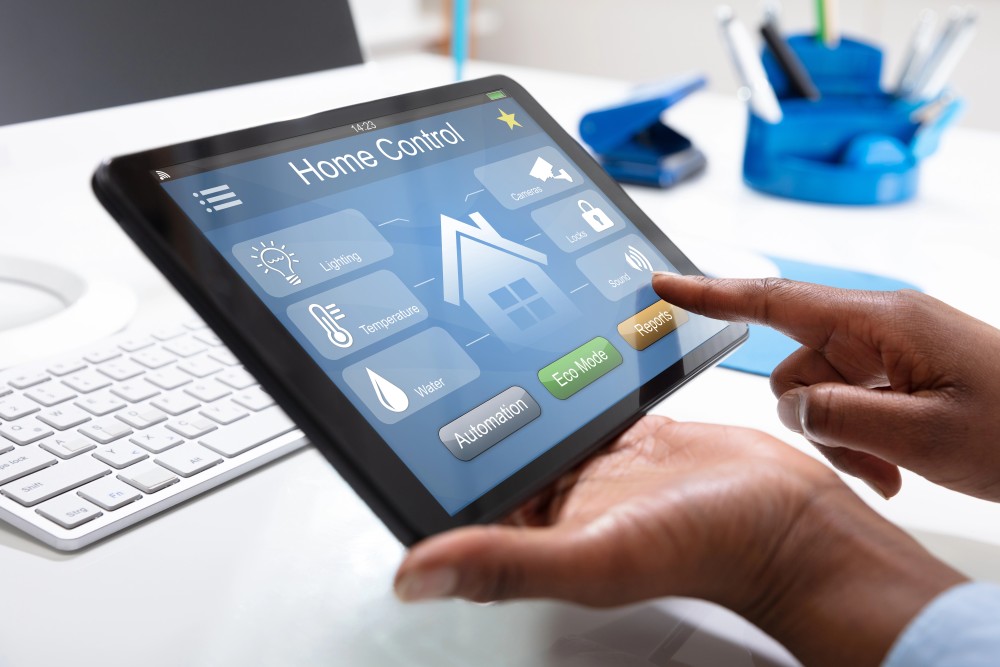
In today’s tech-driven world, the concepts of smart home vs. home automation are often used interchangeably. While they share some similarities, they represent distinct approaches to integrating technology into the home. Home automation refers to the use of technology to automate tasks within a home, while a smart home takes this concept further by creating a fully interconnected and intelligent system.
As the demand for smarter living environments grows, understanding the difference between home automation vs. smart home is important for homeowners looking to enhance their homes with the latest technology. In this article, we’ll explore the key differences between smart homes and home automation, and help you determine which solution best suits your needs.
What is Home Automation?
Home automation involves the integration of technology to automate various functions in your home. This could include controlling devices such as lights, thermostats, security systems, and entertainment units. The primary goal of home automation is convenience and energy efficiency by automating actions like adjusting the temperature, turning lights on or off, or locking doors at specific times.
Home automation typically operates through a centralized platform or control panel. These systems can be hardwired, meaning they use cables, Ethernet, or electrical wiring to connect devices within the home. This creates a secure and reliable system that doesn’t rely on the internet to function.
For example, you could set a home automation system to adjust your thermostat settings at night and control lighting based on the time of day. Once programmed, these systems operate automatically without you having to adjust them manually.
What is a Smart Home?
A smart home goes beyond the capabilities of home automation. It is an advanced system where various devices, systems, and appliances communicate with each other to create a fully interconnected environment. Smart homes rely on the internet and wireless protocols like WiFi, Bluetooth, or Zigbee to connect devices.
Smart homes not only automate tasks but also adapt to real-time data. They use technologies like artificial intelligence (AI) and the Internet of Things (IoT) to create an intelligent, responsive system. This means that your devices can communicate with each other and adapt to your needs. For instance, your smart home might learn your preferences over time, such as the temperature you like or the music you listen to, and make adjustments automatically.
Unlike home automation, which primarily focuses on predefined schedules and tasks, smart home automation adapts and reacts to user behaviors, environmental changes, and context. For instance, a smart thermostat in a smart home might adjust based on whether you’re home, the time of day, or even the weather outside.
Key Differences: Smart Home Vs. Home Automation
● Control and Integration
In home automation, the focus is on controlling individual devices through a centralized control system. These devices may not necessarily communicate with each other. For example, you might have an automated lighting system, a security system, and a thermostat, but each may operate independently.
In contrast, a smart home integrates these devices into a single cohesive system. This system can be managed via one platform, often an app on your phone or through voice commands via virtual assistants like Alexa or Google Assistant. The difference is that in a smart home, devices can communicate with each other, creating a synchronized and more responsive living environment.
For example, in a smart home, your security system might automatically adjust your lights and thermostat when it detects you’ve arrived home. This type of integration goes beyond simple automation and focuses on an intelligent, interconnected environment.
● Technology: Wired vs. Wireless
Home automation typically involves a hardwired approach. This means that systems like lighting, security, and thermostats are physically connected via wires, Ethernet cables, or electrical systems. While this setup offers strong reliability and security, it lacks the flexibility of modern smart home automation solutions, which rely on wireless technology.
Smart homes, on the other hand, operate through wireless protocols like WiFi and Bluetooth. This allows devices to connect easily without the need for physical cables, offering more flexibility and convenience for homeowners. Additionally, smart homes often have the ability to control devices remotely using cloud-based systems, making them accessible from anywhere, at any time.
While home automation offers secure and stable connections, smart home automation systems are more flexible, allowing for remote control, real-time adjustments, and integration with other smart devices.
● Personalization and Adaptation
One of the biggest advantages of smart home automation is its ability to adapt to the lifestyle of the inhabitants. With the help of AI and IoT, smart home systems can learn your habits and preferences over time. For example, a smart thermostat might learn when you’re typically home and adjust the temperature accordingly, or a smart speaker could play your favorite playlist based on the time of day.
In contrast, home automation is more rigid. It operates on preset schedules and timers. For example, you might set the lights to turn on at sunset and off at sunrise, but this system doesn’t adapt to changes in your routine. It can’t automatically learn or respond to environmental factors like a smart home can.
Smart homes offer a higher level of convenience and personalization because they adjust and respond to real-time data. As a result, smart home vs. home automation solutions differ in how they improve the user experience: home automation follows set rules, while smart homes anticipate and adapt to user needs dynamically.
● Reliability and Security
When it comes to reliability, home automation systems have an edge because they are typically hardwired and don’t rely on the internet. This means they are less susceptible to disruptions caused by network outages or weak signals. If you prioritize stability and security, home automation may be the better option for you.
On the other hand, smart homes can be more vulnerable to issues like Wi-Fi outages or hacking attempts. Since smart home devices are connected to the internet and operate through cloud-based systems, any interruption in your internet connection could disrupt your entire system. However, advancements in encryption and security protocols are continuously improving the safety of smart homes, and many homeowners find the convenience and flexibility they offer outweigh the potential risks.
Choosing Between Smart Homes and Home Automation
● Budget and Installation
Home automation systems usually require professional installation, which can come at a higher initial cost. The process involves installing wires, setting up a central hub, and integrating various devices into a single network. While this may be more expensive, it offers the benefit of stability and reliability, especially for larger homes or more complex setups.
In contrast, smart home devices are typically more affordable and easier to install, as many of them are plug-and-play solutions. You can buy individual smart devices, such as smart lights, thermostats, and cameras, and set them up yourself without professional help. However, integrating devices from different brands can be a challenge, requiring platforms like Google Assistant or Amazon Alexa to bridge the gap.
The choice between home automation vs. smart home largely depends on your budget, the complexity of the system you want, and how hands-on you are with the installation process.
Ready to Transform Your Home with Smart Automation?
At Pure AV, we offer advanced smart home automation solutions that blend the best of both worlds. Our custom installations provide seamless integration of smart devices and home automation systems, ensuring that your home is both intelligent and reliable. From home security solutions to entertainment systems, we can design and install a system that fits your lifestyle.
Ready to create the ultimate connected home? Explore our smart home solutions and discover how we can transform your home into a smarter, more efficient living space.
Leave a Reply