
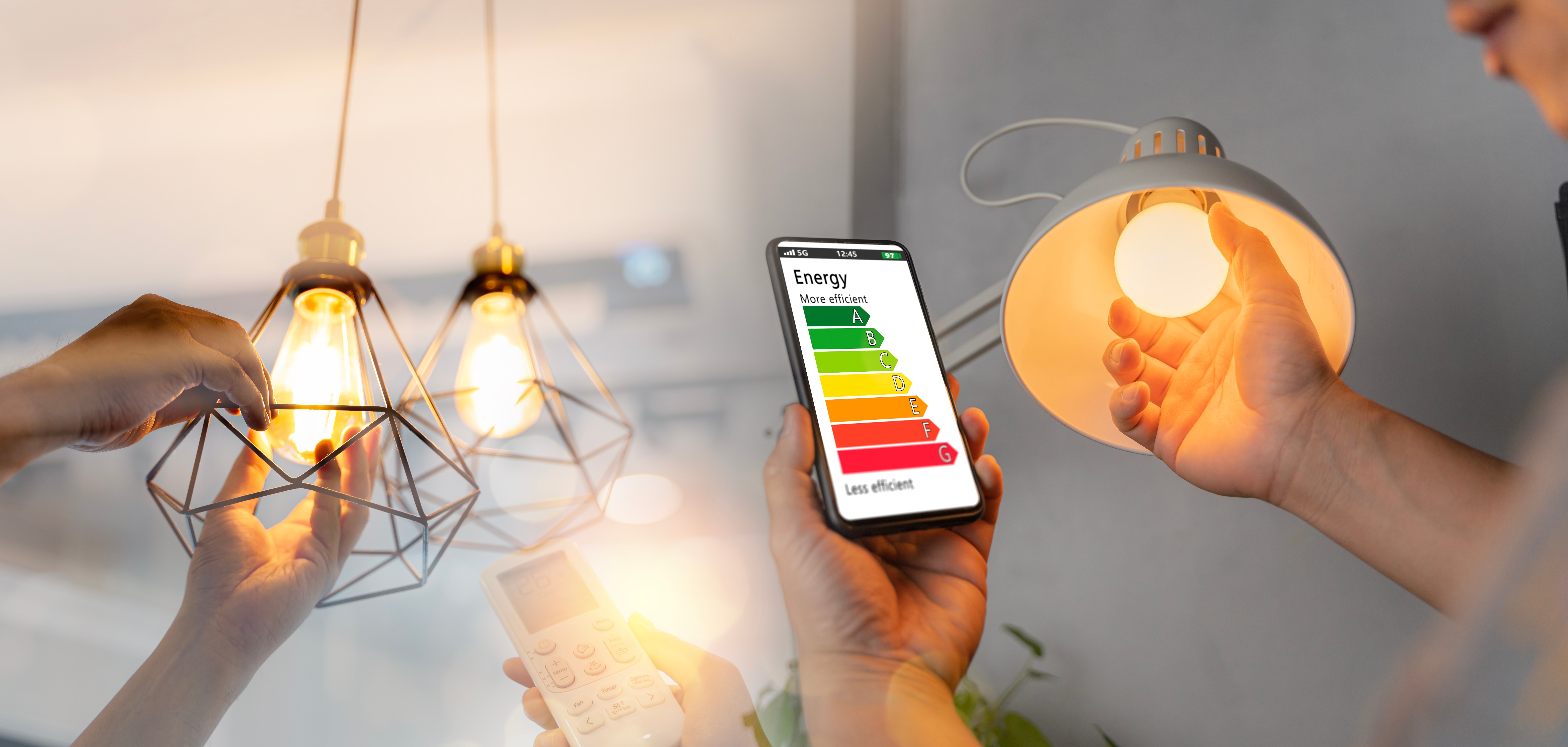
Energy-efficient lighting is one of the simplest ways to make a home feel smarter, more comfortable, and easier to manage. While LED bulbs already use far less energy than older incandescent bulbs, smart bulbs add another layer of control. The U.S. Department of Energy notes that residential LEDs use at least 75 percent less energy and can last up to 25 times longer than incandescent lighting.
How Smart Bulbs Help Reduce Energy Use
So, do smart bulbs save energy? Yes, when they are used the right way. A smart bulb can be dimmed, scheduled, grouped by room, or turned off remotely from a phone or smart home system. That means fewer lights stay on by accident in empty rooms, hallways, outdoor spaces, or entertainment areas.
Smart lighting can also work with occupancy sensors, daylight settings, and daily routines. For example, lights can brighten in the morning, dim in the evening, or turn off automatically when no one is in the room.
Smart Lighting Compared With Traditional Lighting
Traditional lighting depends on manual switches. If someone forgets to turn off a light, energy is wasted. Smart lighting gives homeowners more control because the system can respond to schedules, room use, and lifestyle habits.
For larger homes, the savings can be more noticeable because more rooms, fixtures, and outdoor areas are involved. A well-planned smart lighting setup can support comfort, style, security, and energy management simultaneously.
Make Smart Lighting Part of Your Home Automation System
Pure AV Corp designs smart home systems that bring lighting, audio, video, security, climate, and more into one easy-to-use control experience. If you want lighting that looks great, feels intuitive, and supports better energy habits, contact us to talk about a custom smart lighting setup.
Image Credit: jittawit21 // Shutterstock
Leave a Reply